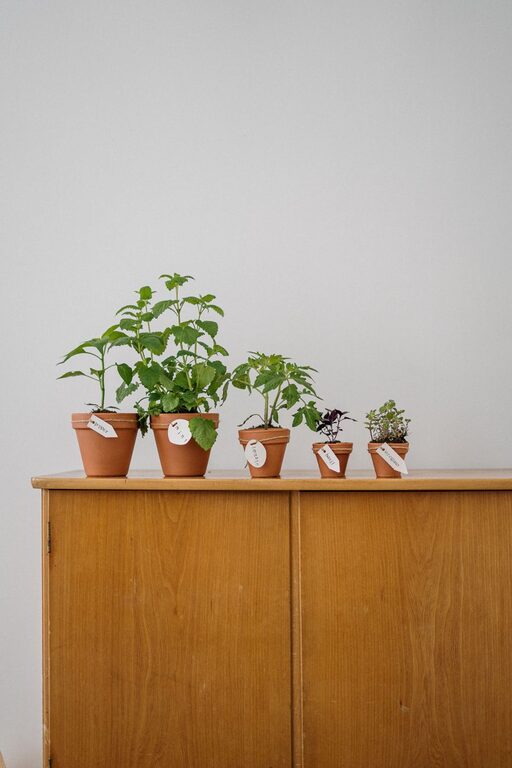
Growing your own herbs indoors is a rewarding and practical hobby. Not only does it provide fresh flavors for your kitchen, but it also adds a touch of greenery to your living space. Starting a small herb garden inside your home is simpler than you might think. This guide will walk you through everything you need to know to get started.
Why Grow Herbs Indoors?
Growing herbs indoors offers several benefits:
– Freshness: Pick herbs whenever you need them, ensuring maximum flavor.
– Convenience: Have your favorite herbs close at hand without trips to the store.
– Aroma and Ambiance: Herbs like basil and mint release pleasant scents.
– Year-round Gardening: Avoid seasonal limitations by growing herbs inside.
– Space-saving: Ideal for small apartments or homes without outdoor gardens.
Choosing the Right Herbs
Start with herbs that are well-suited for indoor growth. Some popular, easy-to-grow options include:
– Basil: Perfect for Italian dishes, needs plenty of light.
– Mint: Hardy and fast-growing; best kept in pots to prevent spreading.
– Parsley: Versatile and nutritious, thrives in moderate light.
– Chives: Adds mild onion flavor, grows well indoors.
– Thyme: Low maintenance and aromatic.
– Cilantro: Great for fresh salsa and salads, prefers cooler indoor temps.
Avoid herbs that require large amounts of space or special conditions, such as rosemary or lavender, unless you have a dedicated, sunny spot.
What You’ll Need
Before planting, gather these supplies:
– Containers: Choose pots with drainage holes to prevent waterlogging.
– Potting Soil: Use a light, well-draining potting mix designed for indoor plants.
– Seeds or Starter Plants: Starting with seedlings can be easier for beginners.
– Grow Lights (Optional): If natural light is limited, LED grow lights can help.
– Watering Can or Spray Bottle: For gentle watering.
– Labels: To keep track of your herbs.
Step-by-Step Guide to Starting Your Indoor Herb Garden
1. Select a Location
Most herbs need 6 to 8 hours of sunlight daily. A south-facing window is ideal. If natural light is scarce, place your herbs under grow lights for 10-12 hours a day.
2. Choose Your Pots
Use containers that fit your space but are large enough for roots to grow. A pot 4-6 inches in diameter works well for most herbs. Make sure drainage holes are present to avoid root rot.
3. Prepare the Soil
Fill pots with fresh, well-draining potting soil. Avoid garden soil as it may be too heavy or contain pests.
4. Planting
– Seeds: Follow the packet instructions for depth and spacing. Keep the soil moist but not soggy.
– Seedlings: Gently loosen roots and plant them in pots, filling with soil around the root ball and pressing lightly.
5. Watering
Water your herbs when the top inch of soil feels dry. Use room temperature water and avoid overwatering to prevent mold or root rot.
6. Lighting
If natural sunlight isn’t sufficient, set up grow lights about 6-12 inches above the herbs. Adjust as plants grow.
7. Maintenance
– Pruning: Regularly pinch off the tops to encourage bushier growth.
– Feeding: Use a mild, balanced fertilizer once a month during growing season.
– Cleaning: Wipe leaves occasionally to remove dust.
Tips for Success
– Rotate your pots regularly to ensure even light exposure.
– Avoid drafts or sudden temperature changes near your herbs.
– Harvest herbs in the morning for best flavor.
– Start small – you can always expand your garden later.
– Use well-marked labels to identify each herb, especially when seedlings look similar.
Common Challenges and Solutions
| Challenge | Solution |
|————————-|————————————————–|
| Lack of sunlight | Use grow lights or move pots to a sunnier spot. |
| Yellowing leaves | Check for overwatering or insufficient nutrients.|
| Pests (like aphids) | Rinse leaves or use natural insecticidal soap. |
| Leggy plants | Increase light exposure and prune regularly. |
Enjoying Your Indoor Herb Garden
Once your herbs are well-established, you’ll find many ways to use them:
– Fresh garnishes for dishes and drinks
– Homemade herbal teas
– DIY seasoning blends and pestos
– Gifts of fresh herbs in pots for friends and family
Growing herbs indoors adds freshness, flavor, and a touch of nature to your daily routine. With a little time and care, your small herb garden will thrive and reward you with delicious, homegrown herbs year-round. Happy gardening!