
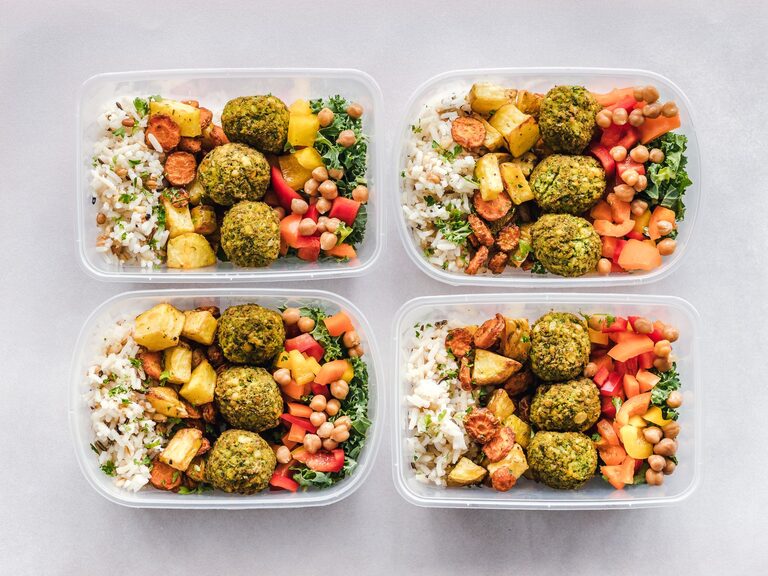
Planning balanced meals doesn’t have to be overwhelming or time-consuming. With a few straightforward strategies, you can create nutritious, satisfying meals that support your health goals while minimizing stress. Whether you’re cooking for yourself or your family, this guide will help you bring balance to your plate with ease and confidence.
What Is a Balanced Meal?
A balanced meal typically includes a mix of:
– Protein: Helps build and repair tissues (e.g., chicken, beans, tofu).
– Carbohydrates: Provides energy (e.g., whole grains, fruits, vegetables).
– Healthy Fats: Supports brain and heart health (e.g., olive oil, nuts, avocado).
– Vitamins and Minerals: Found in a variety of colorful vegetables and fruits.
– Fiber: Aids digestion and promotes fullness (e.g., legumes, whole grains, veggies).
Aim to include these components in each meal to ensure your body gets the nutrients it needs.
Why Planning Matters
Planning meals ahead of time can:
– Save money by reducing last-minute takeout.
– Reduce food waste by using ingredients efficiently.
– Promote healthier choices by avoiding impulsive decisions.
– Save time during busy days.
– Lower stress by eliminating the “what’s for dinner?” question.
Step-by-Step Guide to Stress-Free Balanced Meal Planning
1. Start with a Simple Plan
Begin by deciding how many meals you need to plan for the week. Everyone’s schedule is different, so plan around your routines and commitments.
– Plan for dinners first, then think about lunches, breakfasts, and snacks.
– Use a notebook, calendar, or meal-planning app to keep track.
2. Focus on Versatile Ingredients
Select ingredients that can be used in several meals to simplify shopping and cooking.
– Example: Cook a batch of quinoa that can be used in salads, stir-fries, or as a side.
– Keep a list of your favorite easy-to-prepare staples like eggs, canned beans, frozen vegetables, and whole grains.
3. Use the Plate Method as a Visual Guide
The plate method is a simple way to ensure balanced meals:
– Half the plate filled with vegetables and/or fruits.
– One quarter with protein.
– One quarter with whole grains or starchy vegetables.
– Add a small portion of healthy fats.
This method helps you maintain portion control without complicated measurements.
4. Plan for Variety and Colors
Eating a variety of foods ensures you get different nutrients and keeps meals interesting.
– Include different colors of fruits and vegetables.
– Rotate protein sources such as poultry, fish, legumes, and dairy.
– Experiment with new herbs and spices for flavor without extra calories.
5. Prepare Ahead When Possible
Meal prep can reduce daily cooking stress:
– Wash and chop vegetables in advance.
– Cook grains or proteins in batches.
– Store pre-portioned meals or ingredients in containers for quick assembly.
6. Keep It Simple and Flexible
Balanced meals don’t have to be fancy or complicated.
– Use simple recipes with 5 ingredients or less.
– Be flexible — it’s okay to swap out ingredients based on availability or preference.
– Allow yourself room for occasional treats or dining out.
Example of a Balanced Weekly Meal Plan
| Meal | Example |
|————-|——————————————-|
| Breakfast | Greek yogurt with berries and nuts |
| Lunch | Mixed salad with grilled chicken and quinoa |
| Snack | Apple slices with almond butter |
| Dinner | Baked salmon, roasted vegetables, brown rice |
Tips for Staying on Track
– Make a shopping list: Stick to your list to avoid impulse buys.
– Batch cook: Save time on busy days by cooking larger portions.
– Keep healthy snacks handy: Nuts, fruit, and yogurt make great quick options.
– Listen to your hunger: Eat when you’re hungry and stop when satisfied.
Common Challenges and How to Overcome Them
Challenge: Lack of Time
– Solution: Choose quick recipes, pre-chop veggies, or use a slow cooker.
Challenge: Feeling Bored with Meals
– Solution: Try new recipes or change up herbs and spices.
Challenge: Limited Cooking Skills
– Solution: Start with simple dishes; use online tutorials or cooking classes.
Final Thoughts
Planning balanced meals doesn’t have to be stressful. By organizing your week, focusing on a variety of nutrient-rich foods, and preparing in advance, you can enjoy healthy, satisfying meals every day. Remember, the goal is progress, not perfection — small, consistent steps make a big difference.
Happy meal planning!